
By Chuck Peters
RRecently my friend Harold emailed me about a volunteer strategy for his NextGen ministry. Is it better to have adults serve on rotations, in seasonal bursts and spurts, or longer stretches of time?
Why Volunteer Strategy Matters
Having the right volunteer strategy is crucial to the success of your student ministry. The leaders you place and empower will be the primary face of your ministry to kids and families, and the main influencers of the students they lead. Placing the wrong people can be devastating. Getting the right people is everything. It’s important our volunteers are aware of the unique needs of teenagers today and are well prepared to engage them effectively in discipleship-focused relationships.
Students Need More Than a Rotation
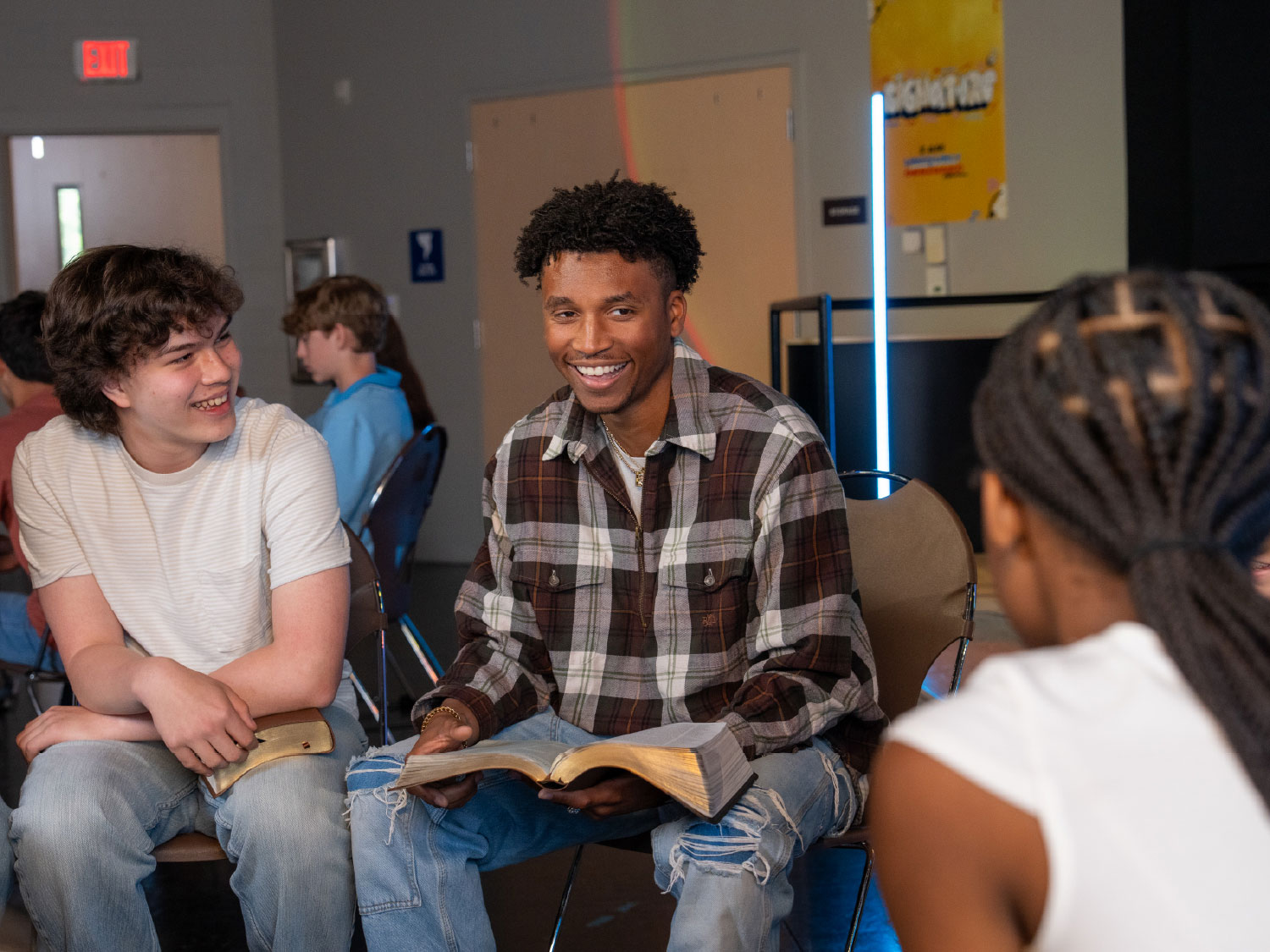
One of the biggest takeaways we drew from the research our Lifeway NextGen team published in our book, Flip the Script, Disrupting Tradition for the Sake of the Next Generation, is the deep felt need that Gen Z and Generation Alpha have for belonging. They are simultaneously the most connected generation in history through technology and the loneliest and most isolated generation of all time. They’re hungry for real connections and authentic relationships. As a generation, they don’t trust corporations, denominations, institutions, or accreditations. They won’t listen to a leader just because she has a clipboard or a microphone. They need to feel seen, known, wanted, welcomed, and valued by their adult leaders. The old saying may sound trite, but it is true: They won’t care what you know until they know that you care.
Trust Comes Before Influence
Building relationships that are based on my TRI formula are essential: Trust + Respect = Influence. Before we can have any real influence in the lives of students, they need to know us and trust us. The new generation of student ministry volunteers must be relationally oriented to create connection that leads to genuine discipleship relationships.
Many students arrive to our ministry meetings feeling like outsiders (even your regular attenders). We can’t assume that everyone feels like they belong. They may feel isolated, distant, and disconnected. We need to take active steps to help them feel at ease.
Consistency Creates Connection
Another characteristic of this generation is anxiety. More than ever students are wrestling with stress, depression, and anxiety. The reality is that anxious students cannot listen and learn. Before they can hear you, they need to regulate and assimilate, so they feel emotionally safe. It is only when they feel emotionally safe that their eyes, ears, hearts, and minds will be open to receive what we have to say. It takes time for a leader to build trust and gain respect. Each time a student arrives to find a new, different, unknown leader, their emotional safety resets. The key to building strong relationships in ministry is consistency in proximity.
In light of our research, I have a strong opinion about what we should ask of our volunteers. Having a revolving door of leaders rotating through our ministries inconsistently is counterproductive to deep discipleship. Biblical discipleship is a process of walking together and talking together (see the Shema in Deuteronomy 6). The Apostle Paul told the church at Corinth to “imitate me as I imitate Christ”; this cannot happen outside of a consistent two-way relationship.
What to Look for in NextGen Volunteers
As I travel and speak at conferences around the country, I have been challenging church leaders to cast a new vision for what we look for in our volunteers. I call them 5C leaders. I want all of my volunteers to be:
- Committed
- Consistent
- Connected
- Christlike in Character
- and who Care about Kids
The Case for Longer Volunteer Commitments
In addition to the TRI factor, the consistency of our adult leaders becomes even more important considering the attendance patterns we see. You may have some kids who attend every other week, or just one week a month. As kids become more inconsistent with their attendance patterns, we need our adult leaders to be more consistent in theirs. Kids need to see the same faces in the same places. Leaders on a rotation don’t know who was here last week and who is missing this week. If a child attends inconsistently, a leader serving on rotation may only see that child once a quarter, or less. The rotation approach undermines the ability of a kid to look to an adult leader as someone who truly knows them and cares about them.
My recommendation is to ask volunteers to serve in longer seasons. Will they serve every week for a year? For 6 months? For a 13-week quarter? The longer the streak the better for building relationships. When it comes to connection and influence, the math is not in our favor. If an adult serves one hour a week for 13 weeks, the total potential hours of relational connection is just 13. And if a child attends every other week, that drops to just 6–7 hours of potential influence. That isn’t much time to build relationships that truly influence students in their faith.
Why Camp Accelerates Relationships
I’m also a huge proponent of having those same 5C leaders go to camp as chaperones. Camp is a relational ministry microwave. After subtracting for sleep and adding road-trip van-time, a 5-day camp packs more than 100 potential hours of relational ministry into one week. That’s the equivalent of 13.9 months of relational connection if a leader served for 2 hours every Wednesday night.
For our middle school and high school students, the depth of discipleship that we can hope to achieve is directly proportionate to the quality and consistency of our leaders.
Every Student Needs a Champion
There’s a famous Ted Talk by public school educator Rita Pierson you can find on YouTube. In it she famously said, “Every child deserves a champion—an adult who will never give up on them, who understands the power of connection, and insists that they become the best that they can possibly be.”
If the importance of relational connection is true in public education, how much more should it be in our churches? I say, every student in your church deserves a champion IN YOUR CHURCH! I am calling for student ministry leaders to raise the bar for their expectations for volunteers. Our students need the investment of dedicated 5C leaders as godly, spiritual influencers in their lives.

For more resources like this, check out https://lifeway.com/students.